The Best Stainless Steel Fire Pits for a Cleaner, Longer-Lasting Backyard Burn
From a 27-inch backyard centerpiece to a tabletop pit: the 304 stainless smokeless fire pits worth buying, with real owner feedback and honest cons.

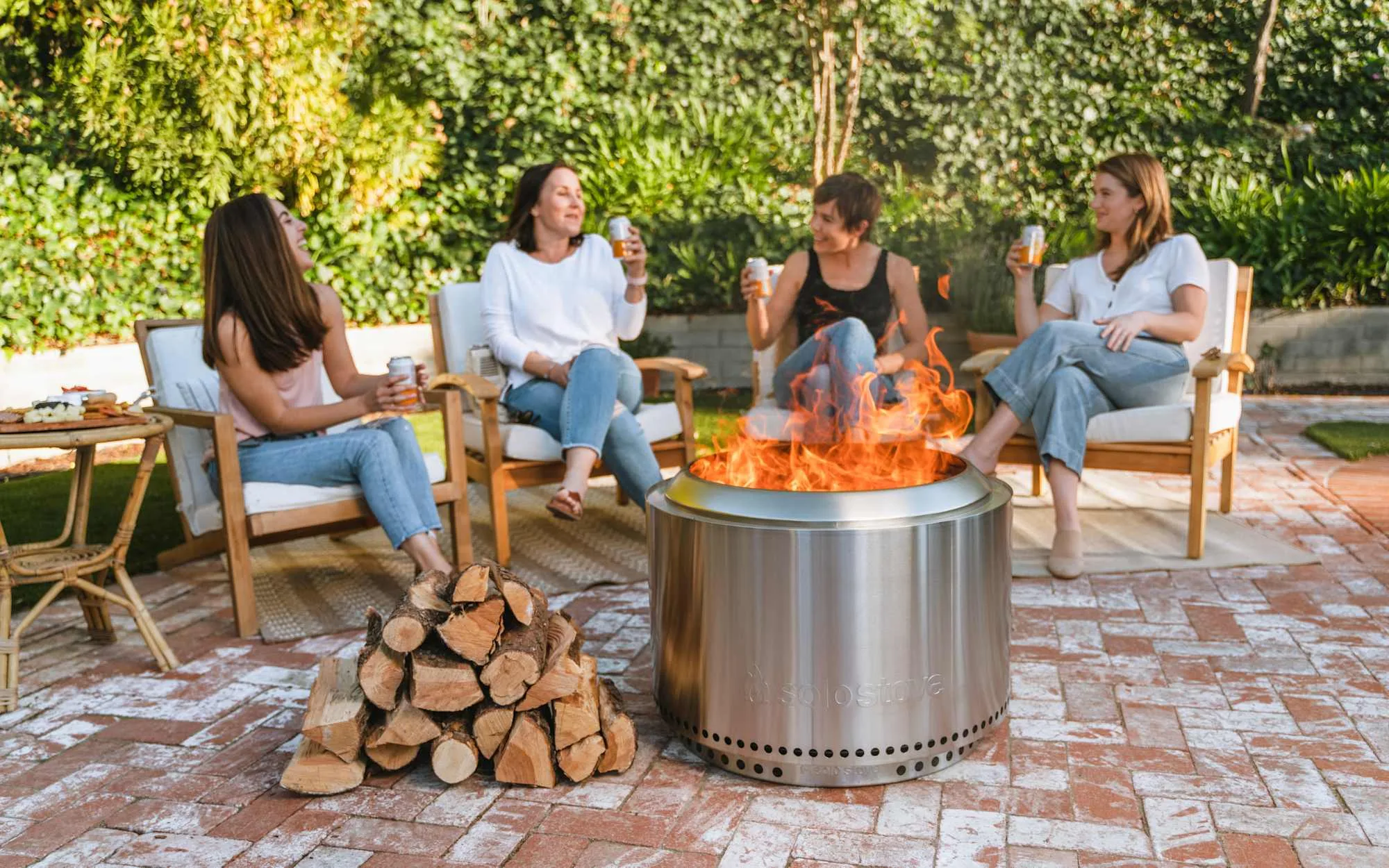
A good stainless steel fire pit does two things a cheap steel bowl never will: it fights corrosion year after year, and — in a double-wall smokeless design — it pushes most of the smoke up and out instead of into your eyes. That combination is why 304 stainless has become my default recommendation for anyone who wants a pit that still looks and works right after a few seasons outside. This guide covers the models worth knowing, from a 27-inch backyard centerpiece down to a tabletop pit for a small deck, plus one weathering-steel cooking pit that earns its spot despite not being stainless.
Our top picks
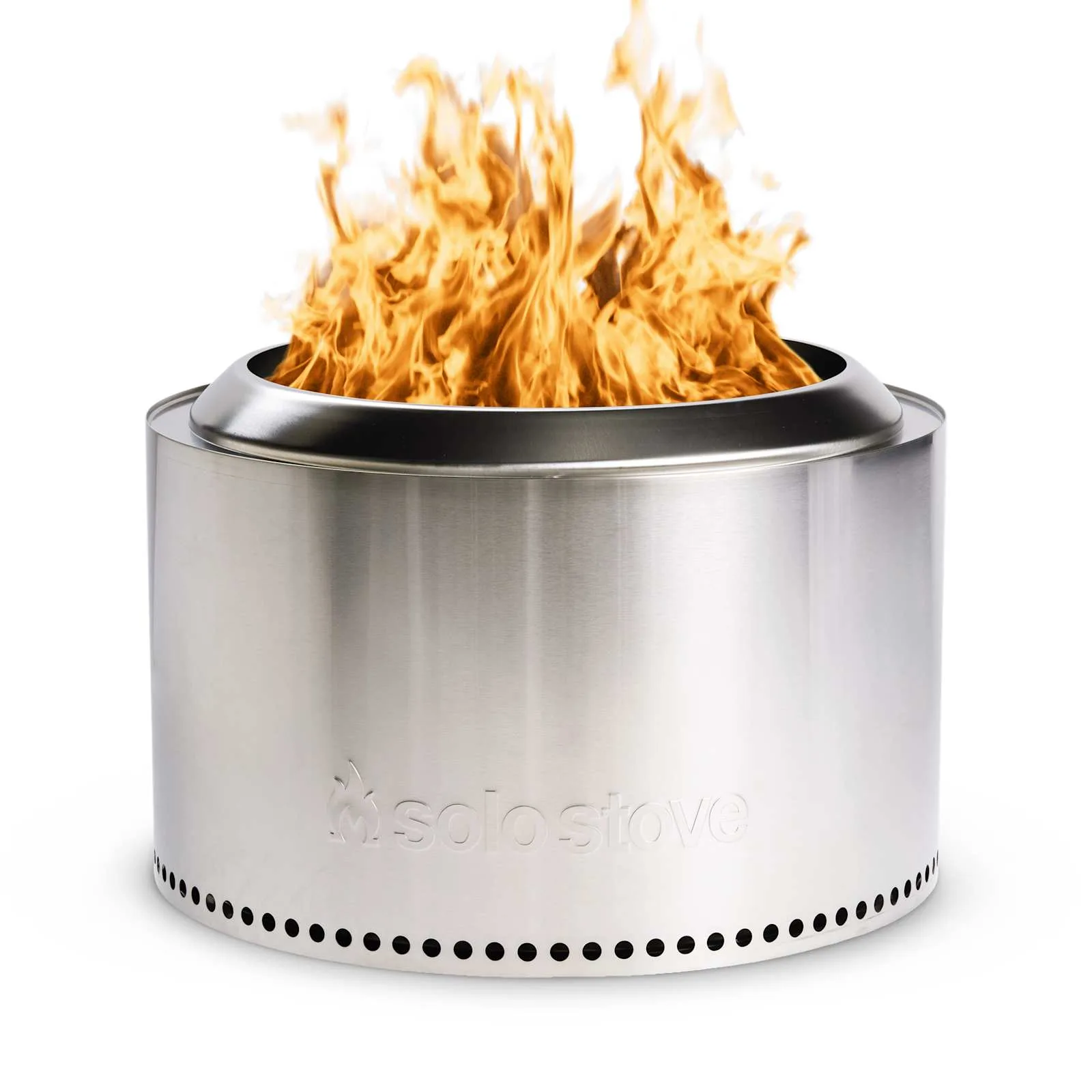
It's the pit I've leaned on longest, and the owner record backs up the durability and heat that make it worth the price at this size.
My top pick overall is the Solo Stove Yukon 2.0 for its heat, capacity, and long-term durability — I've run one at home for almost seven years. If you want the short version: match the pit's size to your space and how many people you actually seat, decide whether you'll ever haul it to a campsite, and check that the steel is 304 stainless (or accept the trade-offs if it isn't). Everything below is organized so you can jump to the pick that fits your yard.
How I chose
Alongside the pits I've personally run — I've owned a Solo Stove Yukon for close to seven years and I cook over a Breeo — I pulled from a wide range of credible owner and expert sources to round out the picks: verified retailer reviews, owner forums, and long-form owner and reviewer videos, plus manufacturer specs to confirm which pits genuinely belong in the conversation. Where I pass along what owners are saying, I keep it as owner feedback and cite the sources under each entry.
A handful of budget models here are new enough that there's not much of an owner track record yet, so for those I go on the spec sheet and design and say so in the entry. One material note up front: this is a stainless-steel guide, and all but one of my picks are 304 stainless. The exception is the Breeo X24, which is Corten (weathering) steel — I kept it in because it's the cooking pit I rate highest, and I flag the material clearly in its entry so you know exactly what you're buying.
Comparison table
Compare all 13 picksWeight, Fuel, Material, Price
| # | Pick | Weight | Fuel | Material | Price |
|---|---|---|---|---|---|
| 1 | Best OverallSolo Stove Yukon 2.0 | 38 lb (17.2 kg) | Wood | 304 stainless steel | $499.99 |
| 2 | Best for Smaller BackyardsSolo Stove Bonfire 2.0 | 23.3 lb (10.6 kg) | Wood | 304 stainless steel | $329.99 |
| 3 | Best for CookingBreeo X Series 24 | 62 lb | Not listed | Not listed | $599 |
| 4 | Best Premium Portable StainlessBreeo Y Series | 31 lb | Wood, lump charcoal, or pellets | 304 stainless steel | $399 |
| 5 | Best Value SmokelessCuisinart 7.5" Cleanburn Smokeless Tabletop Fire Pit | 1.70 lb (spec table; product copy says 2 lb) | Wood pellets or mini logs up to 5.5" long | Not listed | $69.99 |
| 6 | Best Design for the PatioTIKI Brand Patio Smokeless Fire Pit | 46 lb | Natural cut firewood or TIKI Brand Wood Packs | 16-gauge stainless steel, powder-coated finish | $395 |
| 7 | Best Bang for the BuckBlue Sky Peak Smokeless Patio Fire Pit 2.0 Series | Not listed | Firewood and/or wood pellets | Not listed | $508.49 |
| 8 | Best TabletopSolo Stove Mesa | 1.4 lb | Pellets, Solo Stove Mini Oak Firewood, or hardwood (dual-fuel grate) | 304 stainless steel (colored versions are ceramic-coated) | $89.99 |
| 9 | Best Budget Stainless for RV & Small SpacesEast Oak Camber 21-Inch Smokeless Fire Pit | 19.4 lb | Not listed | 304 stainless steel | $269.99 |
| 10 | Best Value with Grill + TableOutVue 27 Inch Stainless Steel Smokeless Fire Pit | 47.5 lb | Wood (or pellets) | Stainless steel | $189.49 |
| 11 | Budget PortableCiays Smokeless Firepit 19 Inch | 10.98 kg (24.2 lb) | Wood | Not listed | Not listed |
| 12 | Budget ValueHGD 20 Inch Smokeless Firepit | 18 lb | Wood | Stainless steel | $109.99 |
| 13 | Camping-OrientedINNO STAGE Stainless Fire Pit with Carrying Bag | Not listed | Wood, wood pellets | 304 stainless steel | Not listed |
- 1Best OverallSolo Stove Yukon 2.0Weight38 lb (17.2 kg)FuelWoodMaterial304 stainless steel$499.99
- 2Best for Smaller BackyardsSolo Stove Bonfire 2.0Weight23.3 lb (10.6 kg)FuelWoodMaterial304 stainless steel$329.99
- 3Best for CookingBreeo X Series 24Weight62 lbFuelNot listedMaterialNot listed$599
- 4Best Premium Portable StainlessBreeo Y SeriesWeight31 lbFuelWood, lump charcoal, or pelletsMaterial304 stainless steel$399
- 5Best Value SmokelessCuisinart 7.5" Cleanburn Smokeless Tabletop Fire PitWeight1.70 lb (spec table; product copy says 2 lb)FuelWood pellets or mini logs up to 5.5" longMaterialNot listed$69.99
- 6Best Design for the PatioTIKI Brand Patio Smokeless Fire PitWeight46 lbFuelNatural cut firewood or TIKI Brand Wood PacksMaterial16-gauge stainless steel, powder-coated finish$395
- 7Best Bang for the BuckBlue Sky Peak Smokeless Patio Fire Pit 2.0 SeriesWeightNot listedFuelFirewood and/or wood pelletsMaterialNot listed$508.49
- 8Best TabletopSolo Stove MesaWeight1.4 lbFuelPellets, Solo Stove Mini Oak Firewood, or hardwood (dual-fuel grate)Material304 stainless steel (colored versions are ceramic-coated)$89.99
- 9Best Budget Stainless for RV & Small SpacesEast Oak Camber 21-Inch Smokeless Fire PitWeight19.4 lbFuelNot listedMaterial304 stainless steel$269.99
- 10Best Value with Grill + TableOutVue 27 Inch Stainless Steel Smokeless Fire PitWeight47.5 lbFuelWood (or pellets)MaterialStainless steel$189.49
- 11Budget PortableCiays Smokeless Firepit 19 InchWeight10.98 kg (24.2 lb)FuelWoodMaterialNot listed
- 12Budget ValueHGD 20 Inch Smokeless FirepitWeight18 lbFuelWoodMaterialStainless steel$109.99
- 13Camping-OrientedINNO STAGE Stainless Fire Pit with Carrying BagWeightNot listedFuelWood, wood pelletsMaterial304 stainless steel
Prices shift constantly — confirm current pricing at the retailer via the button in each entry.
The picks
How each pick was judged
- Owned: The writer owns and uses this one.
- The writer owns and uses this one.
- Owner-reported: Picked on verified owner reviews, forums and long-term owner videos.
- Picked on verified owner reviews, forums and long-term owner videos.
- Spec only: Picked on the spec sheet and design; little owner track record yet.
- Picked on the spec sheet and design; little owner track record yet.
Solo Stove Yukon 2.0
It's the pit I've leaned on longest, and the owner record backs up the durability and heat that make it worth the price at this size.
The Yukon 2.0 is the pit to buy when you have the space and the crowd to justify it. At 27 inches of 304 stainless with a double-wall airflow design, it takes full-size logs, seats a real group, and — once the secondary burn kicks in — runs low on smoke. It's my top overall pick for a larger backyard.
I've owned a Yukon for almost seven years and it's still in good shape. The big pit gives off way more heat than the smaller ones and it seats a lot more people — the trade-off is that it's not something you'll casually move or pack for a trip. One honest warning: it gets genuinely hot. As durable as it is, someone once melted a shoe against the side, which left a mark on the stainless — worth knowing if kids or guests crowd in close. Other than that one spot, seven years on it still looks and burns great.
That heat and size line up with what owners report: strong felt warmth versus a masonry pit, clean burn-to-ash performance, and no meaningful rust complaints. The consistent caveats from owners are that it smokes at startup and on a low burn (even the manufacturer's own smoke-free guidance concedes fires smoke without dry wood, a small start, cleared ash, and no overloading), that the heat throw is modest for the size unless you add the deflector accessory, and that accessories and shipping can get pricey. The big owner-video debate over whether "bigger is better" lands where you'd expect: the Yukon is for larger groups and more space, and it eats more wood than the Bonfire.
Pros
-
Most heat and seating capacity of any Solo Stove pit
-
Takes full-size logs; strong burn-to-ash
-
304 stainless, double-wall; durability I can vouch for after 7 years
-
No meaningful owner rust reports
Cons
-
Smokes at startup / low burn (true of the category)
-
Modest heat throw for its size — many owners add the deflector
-
Heavy and not portable; premium price and pricey accessories
Who it's for: larger backyards, bigger groups, and buyers who want one permanent centerpiece. Skip it if you'll ever want to move it or take it camping.
Sources pulled from (4)
-
Owner "is bigger better?" size comparison (video)
Solo Stove Bonfire 2.0
It's the most broadly recommended stainless pit at its size, and the owner record is deep and consistent.
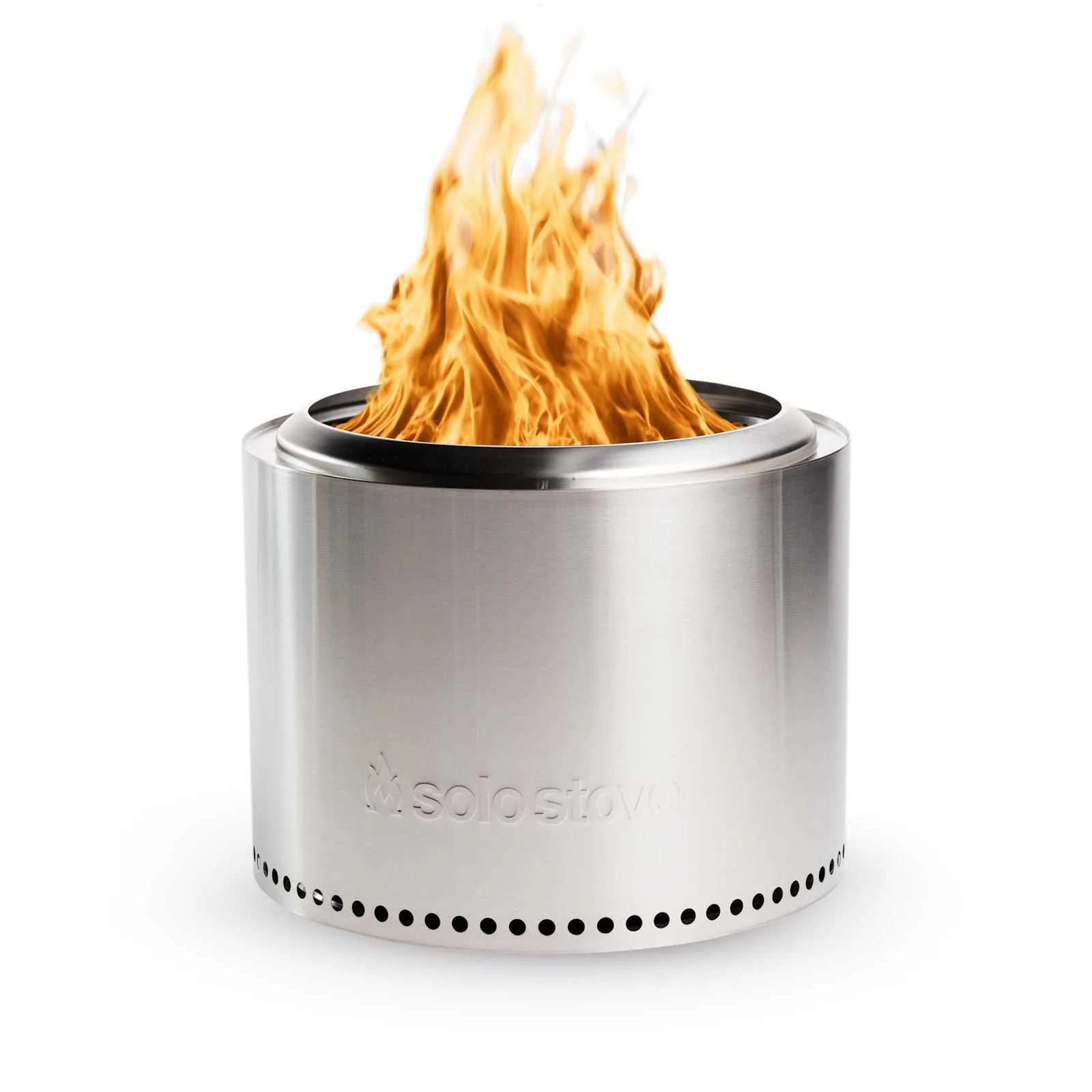
The Bonfire is the Yukon's more sensible sibling and the one most people should buy. At 19.5 inches and about 23 pounds, it fits the majority of backyards, throws solid heat for its size, and cleans up easily thanks to the burn-to-ash design and removable ash pan. It's the most popular pit in the lineup for good reason.
Here's how I'd think about sizing: for at-home use the bigger Yukon gives you more heat and seating, but if you want something you can actually carry to a campsite, go with the smaller Solo Stove. The Bonfire is that middle ground — a full-size fire you can still lift.
Owners consistently praise how low the smoke runs after ignition, the strong heat relative to size, and the contained, clean look. The recurring complaints are worth flagging honestly: interior wall discoloration where the logs sit, modest heat throw (again, the deflector is a common add-on), it's heavier than it looks to reposition, and there's a bit of a fire-starting learning curve. A few buyers also hit fulfillment misses from third-party sellers, so buy from Solo Stove or an authorized retailer — and owners note it's sometimes cheaper at warehouse retailers than on marketplaces.
Pros
-
Fits most backyards; strong heat for its footprint
-
Low smoke once lit; easy ash-pan cleanup
-
304 stainless, double-wall; the most cross-shopped pit here
Cons
-
Interior discoloration where logs sit (cosmetic)
-
Modest heat throw without the deflector
-
Heavier than expected to move; watch third-party sellers
Who it's for: the default choice for average backyards and buyers who want the Solo Stove experience without the Yukon's bulk or price.
Sources pulled from (2)
-
Owner pricing notes (warehouse-retailer vs. marketplace)
Breeo X Series 24
It's the cooking pit I reach for, and the owner consensus backs its heat and build — I just won't pretend it's stainless.
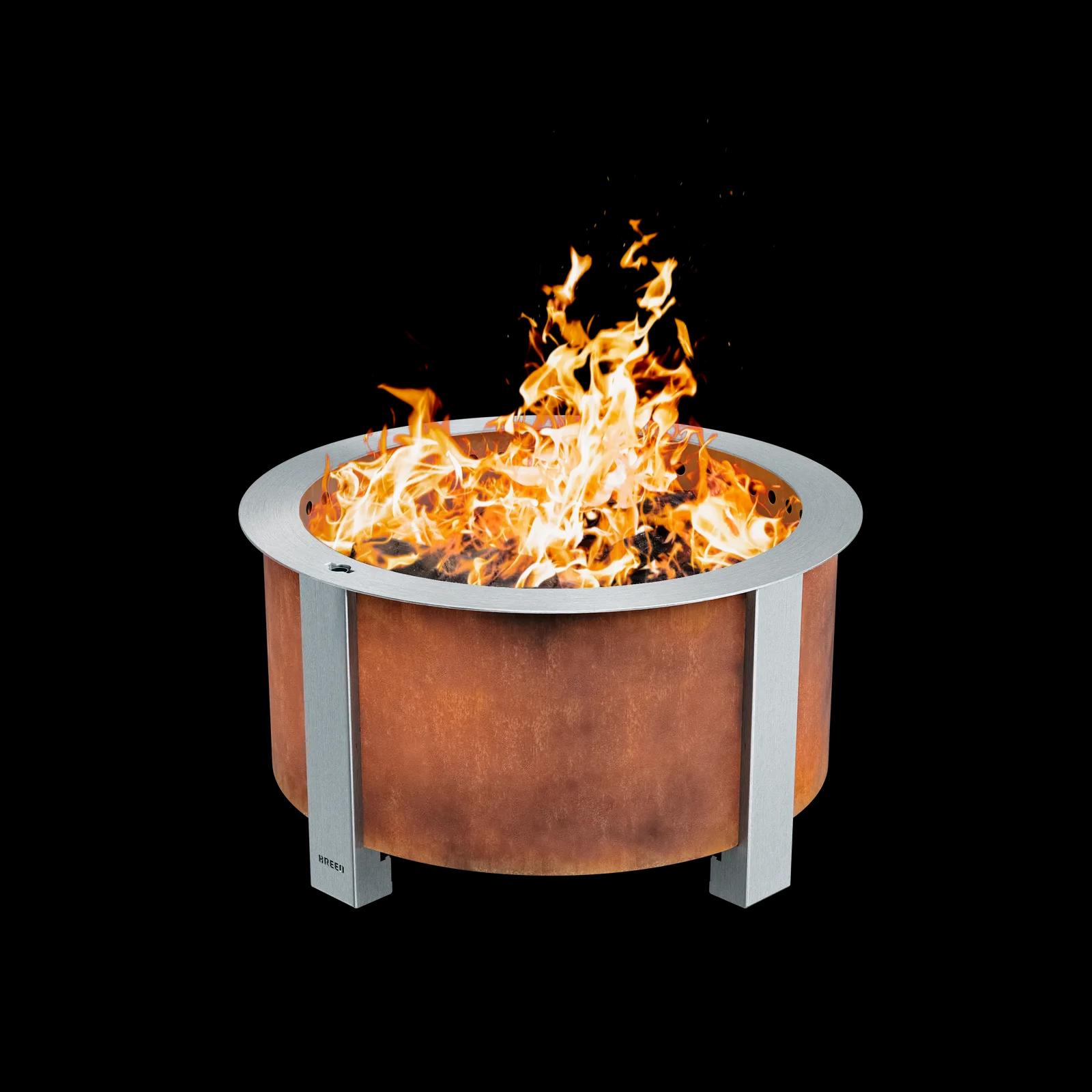
Material note: the X24 is Corten (weathering) steel, not stainless. It's designed to develop a protective patina over time rather than stay bright — so if a uniform stainless look is your priority, this isn't your pick. I include it because, on cooking, it's the best pit I've used, and anyone cross-shopping stainless smokeless pits almost always ends up weighing it against Solo Stove.
I cook over a Breeo and rate it as the best of the group for open-flame food. I love the over-the-fire taste you get cooking in a fire pit, and Breeo has a lot of accessories that are great for grilling over an open flame. The sear ring around the rim turns the pit into a cooktop, which is the whole draw here.
On the community side, owners describe the X24 as incredibly solid and durable, with impressively low smoke once it's going, strong radiant heat, and a great nighttime look. One widely-viewed head-to-head against the Yukon lands on Breeo for cooking and heat, Solo Stove for portability and looks. Notably, despite the Corten steel, owners don't report rust or an ugly patina — the weathering finish behaves as designed. The honest cons owners raise: the walls feel thin, it carries a premium price, and it's heavy.
Pros
-
Best-in-group for cooking; sear ring + strong accessory ecosystem
-
Very low smoke once lit; strong radiant heat
-
Reputation for durability; patina behaves as intended (no rust complaints)
Cons
-
Corten steel, not stainless — it patinas by design
-
Walls feel thin; premium price; heavy
Who it's for: buyers who want to cook over the fire and don't mind (or actively like) a weathering-steel finish. Skip it if you specifically want bright stainless.
Sources pulled from (2)
-
Owner video comparison: "Solo Stove Yukon vs. Breeo X24"
Breeo Y Series
It fills a real gap — the premium stainless pit you can actually cook on and carry.
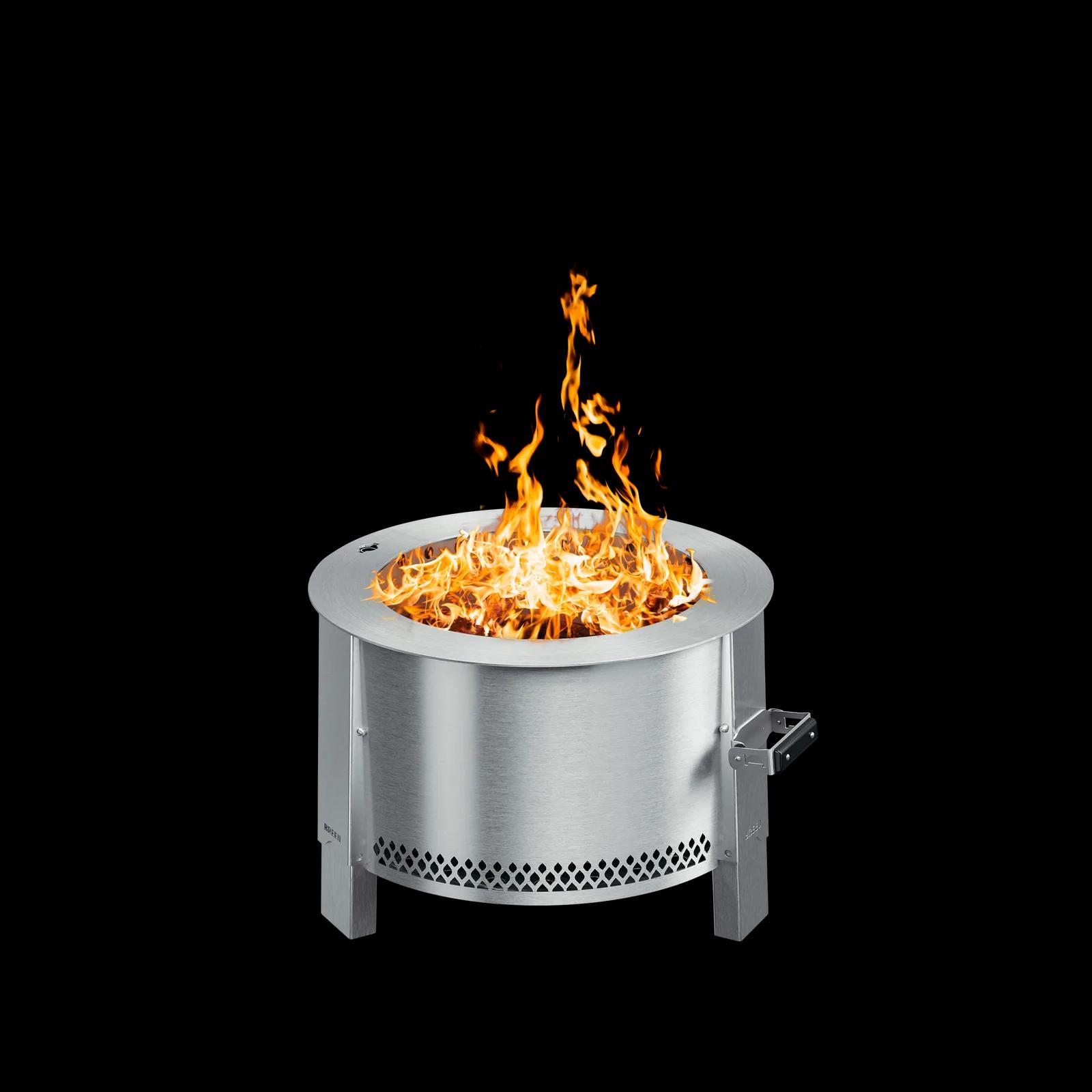
If you like the idea of the X24 but want actual 304 stainless and portability, the Y Series is Breeo's answer. It's a 21-inch, 31-pound, made-in-USA tri-fuel pit with three cooking heights — positioned as the take-it-with-you alternative to the fixed X Series and the Solo Bonfire, at around $399.
There isn't much individual owner feedback on the Y Series to point to yet — beyond a strong aggregate rating (4.9 across 281 reviews at one major retailer) — so I'm assessing it on specs and positioning rather than owner themes. On paper, it's the premium stainless option for someone who wants to cook and also haul the pit to camp.
Pros
-
Real 304 stainless; made in USA
-
Tri-fuel with three cook heights — versatile for cooking
-
Genuinely portable at 31 lb
Cons
-
Premium price (~$399)
-
Limited individual owner feedback beyond a high aggregate rating
Who it's for: buyers who want stainless + cooking + portability in one pit and will pay for it.
Sources pulled from (1)
Cuisinart 7.5" Cleanburn Smokeless Tabletop Fire Pit
It's a legitimate value entry into double-wall smokeless — as long as you know smokeless depends on dry fuel.
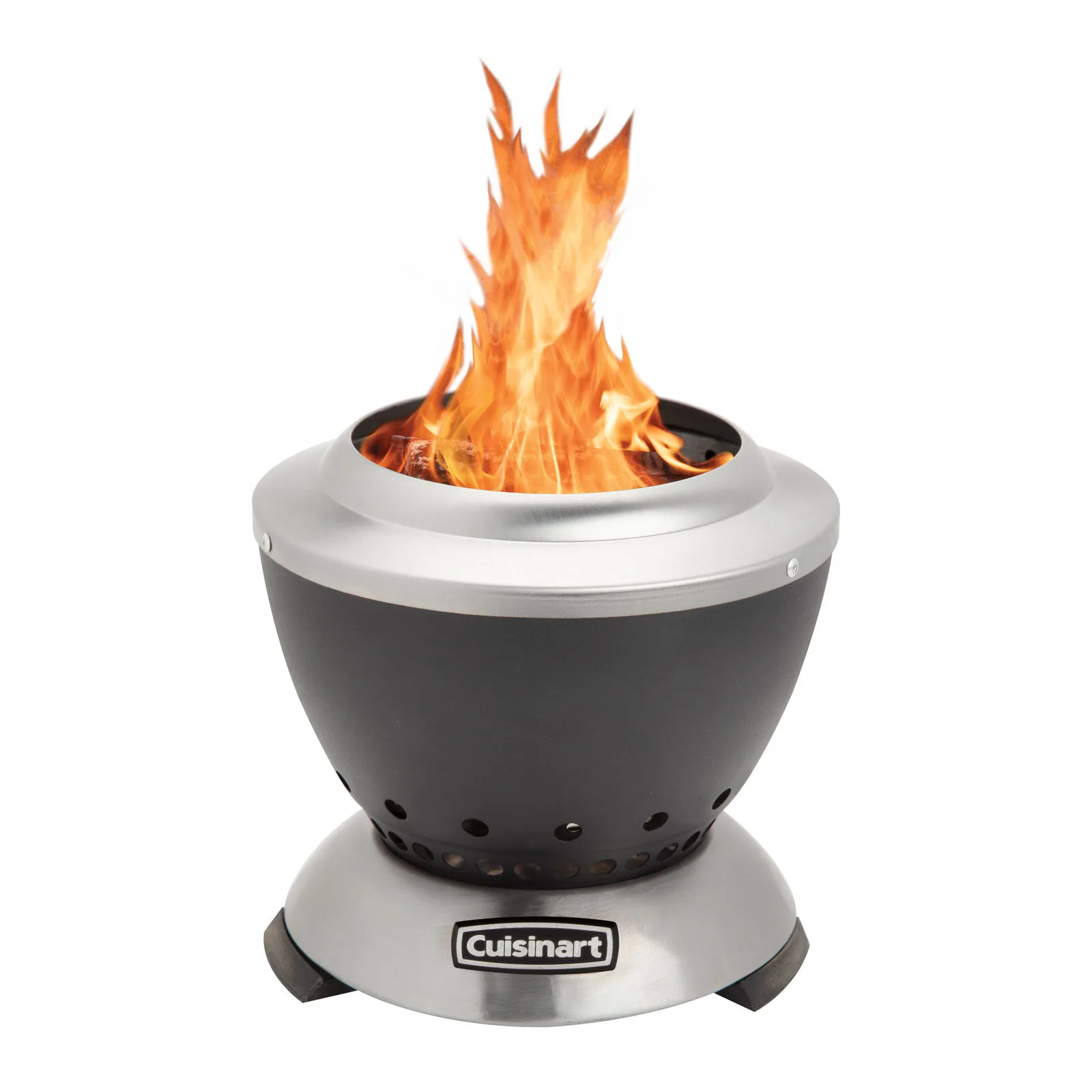
Weight1.70 lb (spec table; product copy says 2 lb)FuelWood pellets or mini logs up to 5.5" long
The Cleanburn is the value smokeless runner-up: a clean-looking, easy-to-set-up double-wall pit that's portable enough for a small patio or RV. It's the pick for someone who wants the smokeless double-wall effect without a flagship price.
One thing to know about the feedback: the strongest owner sentiment sits at the Cleanburn line level rather than the CFP-8 specifically, and the line shows a heavy incentivized-review pattern — so I'd weight those ratings accordingly. Across the line, owners like the look and the easy setup and cleanup, and say smoke drops noticeably when the wood is dry. The recurring disappointment is that with damp fuel it smokes anyway, and the tabletop capacity is small.
Pros
-
Clean look; easy setup and cleanup
-
Genuinely portable for small patios / RVs
-
Noticeable smoke reduction with dry wood
Cons
-
Smoke returns with damp fuel; small capacity
-
Sentiment is line-level, not CFP-8-specific; incentivized-review pattern on the line
Who it's for: budget-minded buyers who want a compact smokeless pit and will feed it dry wood.
Sources pulled from (1)
TIKI Brand Patio Smokeless Fire Pit
It's the best-looking smokeless pit at big-box pricing, with a genuine owner base — I'm just clear it's "less smoke," not "no smoke."
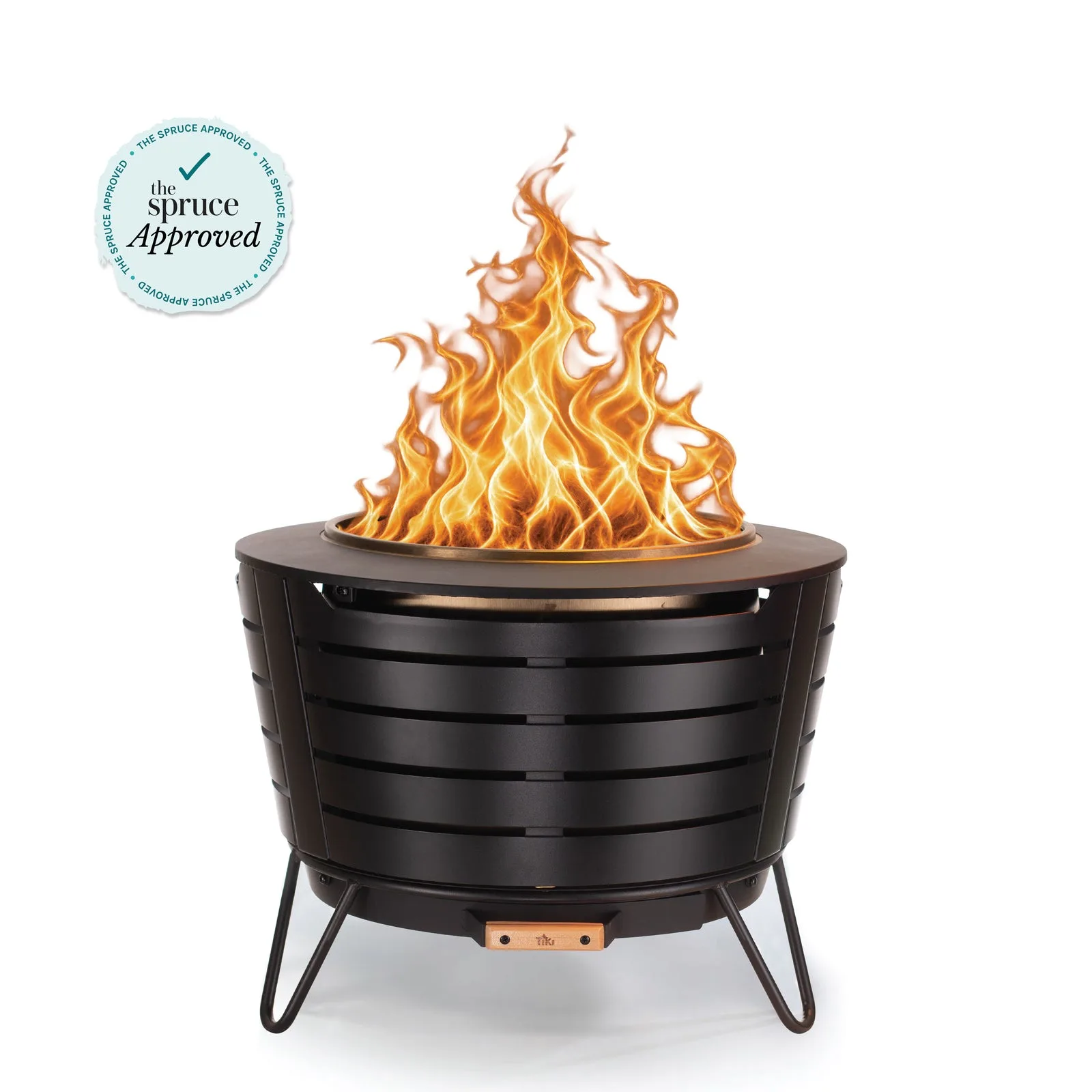
Weight46 lbFuelNatural cut firewood or TIKI Brand Wood PacksMaterial16-gauge stainless steel, powder-coated finish
TIKI's smokeless line is the design-forward big-box option, and it's the value smokeless pick if you're shopping in-store. I feature the Patio 25"; TIKI also makes a larger Reunion 27.5" if you want more fire, and the owner feedback below is consistent across both sizes.
Owners report meaningfully less smoke and fewer sparks, an easy ash-drawer cleanup, and a sleek modern design — one six-year owner says theirs still looks brand new. The honest cons: it's not fully smokeless, owners on both sizes note interior discoloration after the first use, and running it on pellets gets expensive (one owner clocked about $35 for four 30-minute fires) with weaker heat on pellet fuel. Against Solo Stove, owners frame TIKI as the value smokeless choice you can grab off the shelf.
Pros
-
Sleek, modern design; the showpiece of this group
-
Less smoke and fewer sparks; easy ash-drawer cleanup
-
Includes cover + ash pan; strong big-box availability
Cons
-
Not fully smokeless; interior discolors after first use
-
Pellet running cost is high and heat is weaker on pellets
Who it's for: design-conscious patio buyers who want a smokeless pit off the shelf and will mostly burn wood.
Sources pulled from (1)
Blue Sky Peak Smokeless Patio Fire Pit 2.0 Series
It's the most affordable capable dual-fuel pit here — just go in knowing the durability record is still short.
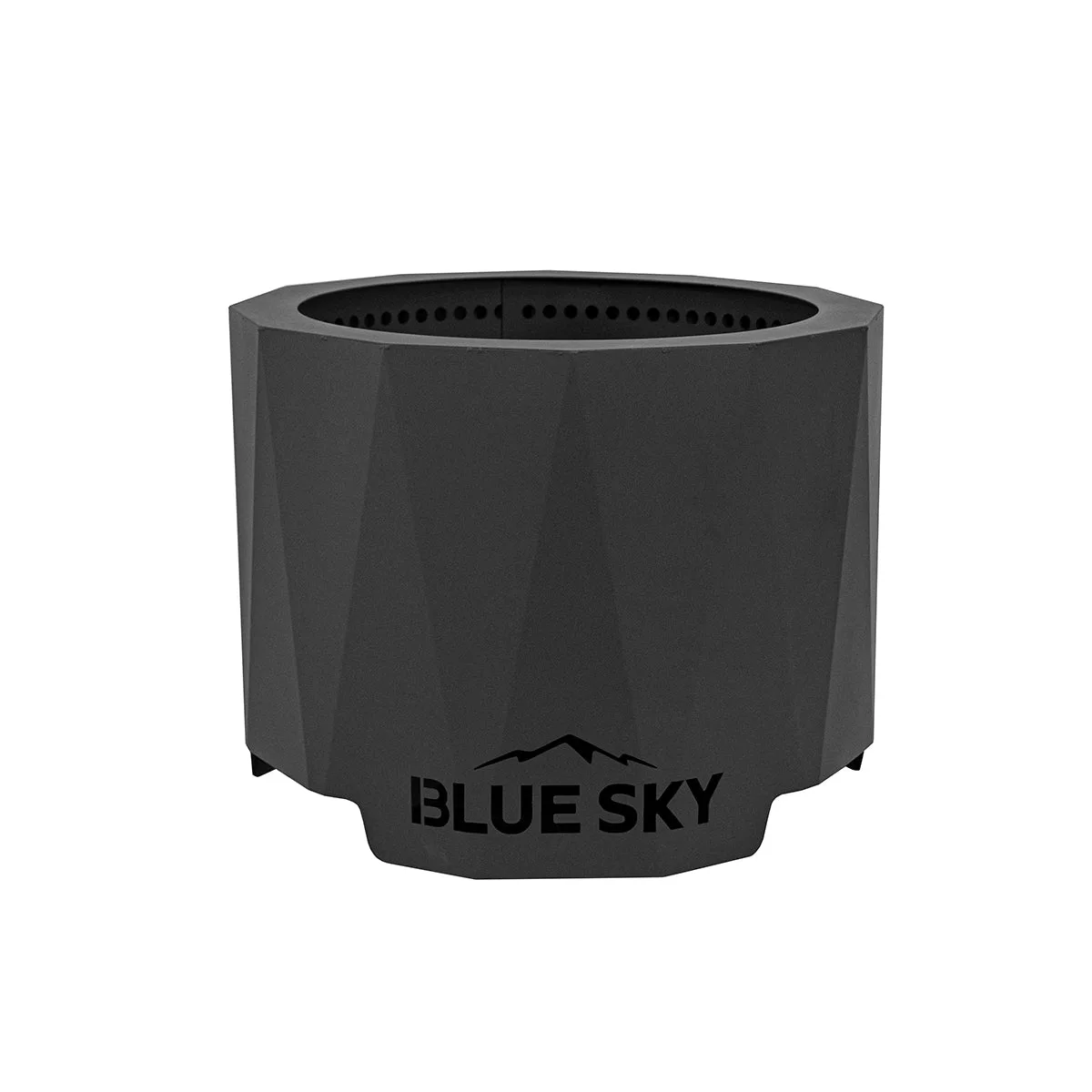
Blue Sky is the budget dual-fuel alternative to Solo Stove: it goes smokeless quickly, burns wood or pellets, and packs into a carry bag at a friendly price. The Peak is the backyard size (22" x 16"); the Ridge is the compact ~15.76" version.
The owner sample here is small (around 14 reviews), so treat it as a small but positive signal rather than a deep consensus. What owners do say is positive: fast smokeless performance, the dual-fuel flexibility, easy packing, and good value. The one caution worth surfacing isn't from an owner — a long-time forum member flagged the long-term durability of the steel versus true stainless. I pass that along as a durability question to weigh, not as a failure report.
Pros
-
Goes smokeless fast; dual-fuel wood/pellet
-
Packs into a carry bag; strong value
-
Lift-out ash catch for easy cleanup
Cons
-
Small owner sample — limited long-term data
-
Forum caution about steel durability vs. true stainless
Who it's for: value hunters who want dual-fuel and portability and don't need a marquee brand.
Sources pulled from (2)
Solo Stove Mesa
It's the best-known, best-supported tabletop stainless pit, and the owner feedback is clear about what it is and isn't.
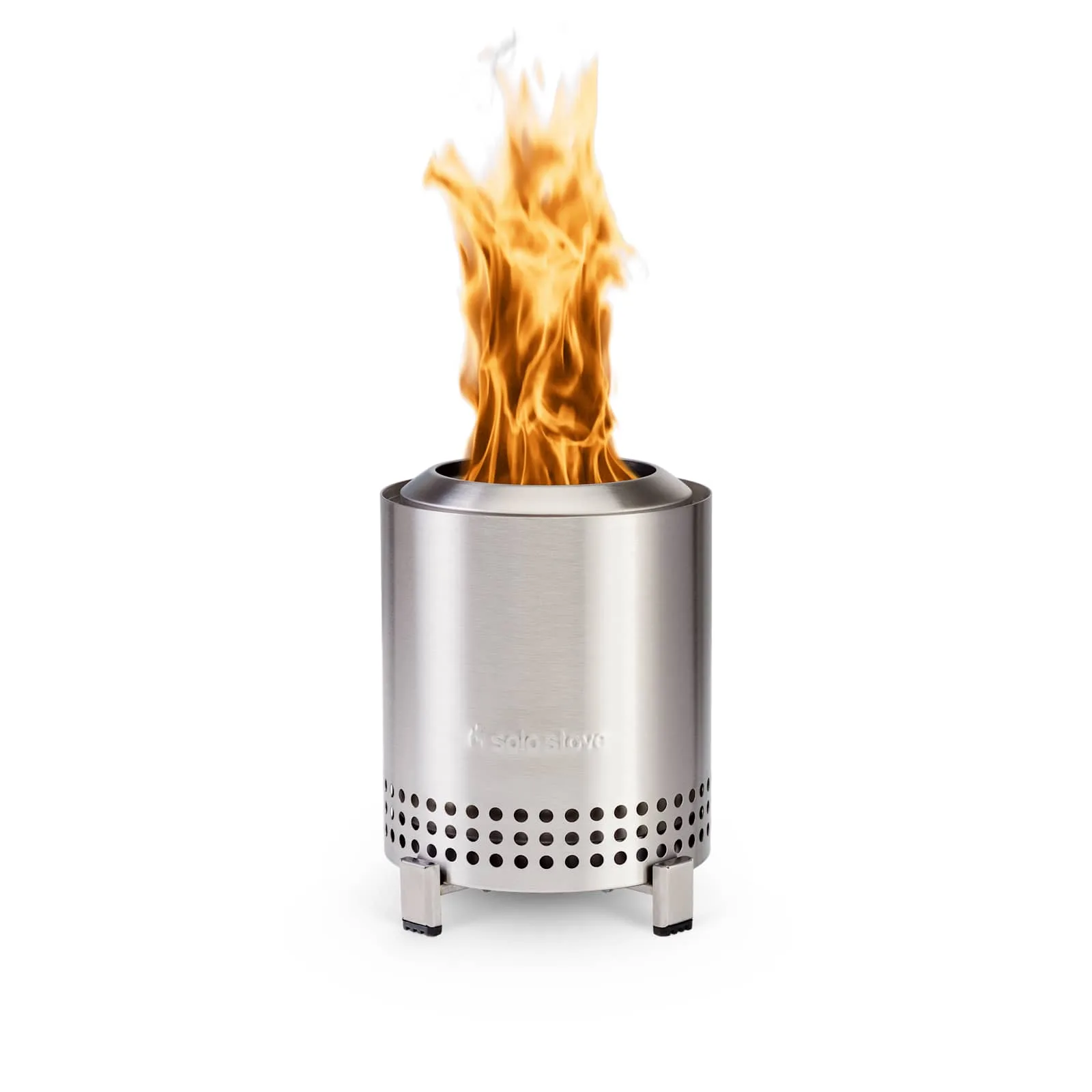
Weight1.4 lbFuelPellets, Solo Stove Mini Oak Firewood, or hardwood (dual-fuel grate)Material304 stainless steel (colored versions are ceramic-coated)
The Mesa 2.0 is the pit for a small deck, a table, or a "let's have a quick fire" impulse. It's compact 304 stainless, dual-fuel (wood or pellets), and easy to light, clean, and store — which is why it's such a common gift.
Owners call it perfect for a last-minute small fire and love how portable and low-fuss it is. The honest cons: it's smaller than some expect, it feels overpriced at full retail (worth it on sale), some buyers wanted the heat deflector, and there's a real counterfeit / gray-market risk on marketplaces — buy from Solo Stove or an authorized seller. Owners cross-shop it against the Mesa XL for size, and against just buying a Bonfire if you want a real fire rather than a tabletop flame.
Pros
-
Genuinely compact and portable; easy to light and store
-
304 stainless; dual-fuel wood/pellet
-
Popular, low-commitment gift
Cons
-
Small — it's a tabletop flame, not a full fire
-
Best value on sale; counterfeit risk on marketplaces
Who it's for: small decks, tabletops, and buyers who want ambiance over heat. Step up to the Bonfire if you want a real fire.
Sources pulled from (1)
East Oak Camber 21-Inch Smokeless Fire Pit
It's the one budget brand here with a genuine owner cross-shop against a name-brand pit — enough to earn a spot, with the caveats stated.
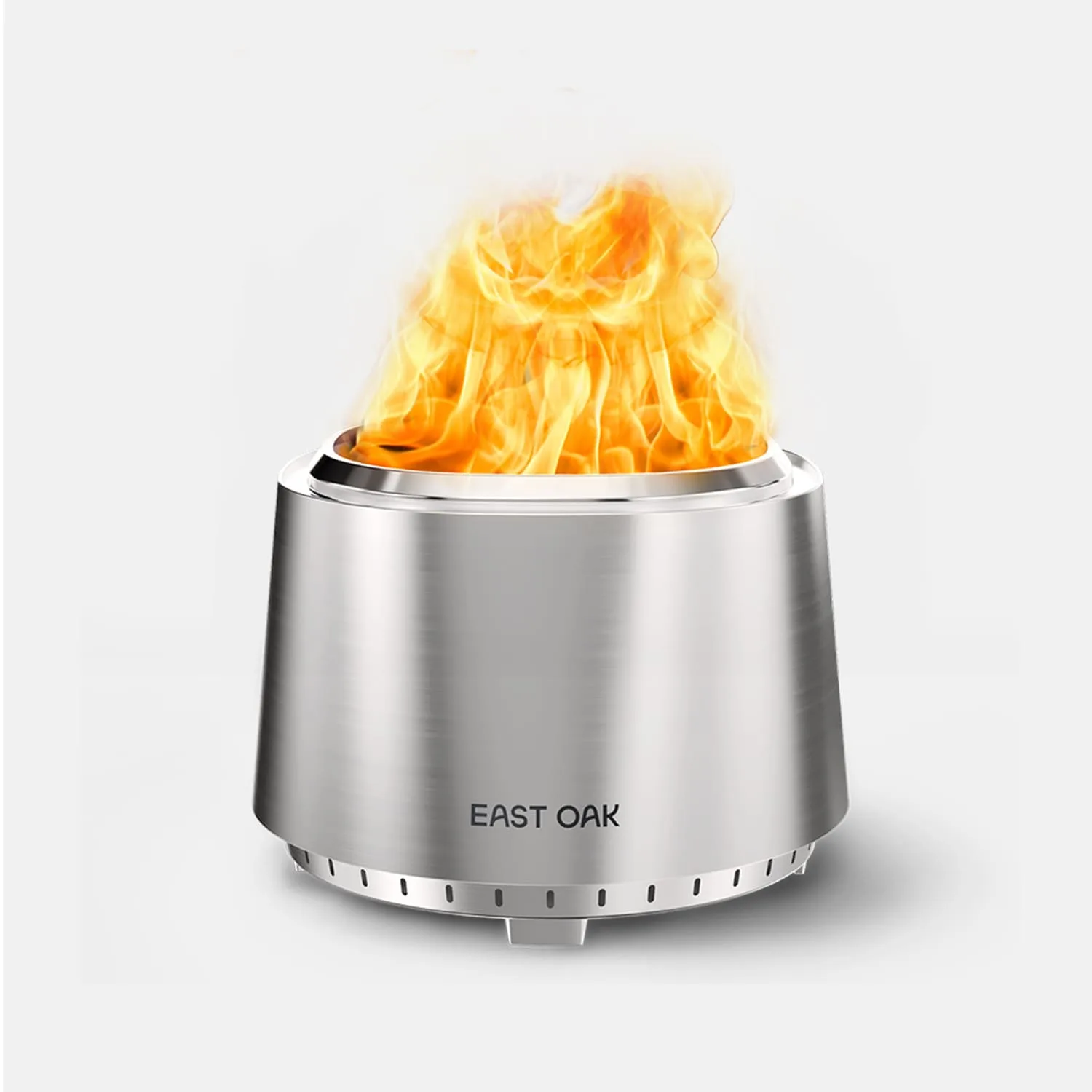
East Oak is the genuine budget stainless pick for tight spaces, and unusually for a budget brand it has a real owner cross-shop behind it rather than just marketing copy. It's a double-wall stainless pit that advertises "20% increased air intake" for its smokeless effect.
On an RV owners' forum, one owner chose the East Oak over the Solo Mesa XL specifically on size, reported a solid two-foot flame, and said it runs best on pellets with an easy ash pan. That's a size-driven pick, not a performance verdict — and the broader owner sample is thin (one retailer shows a 5.0 on just two ratings), so I'm not overselling it.
Pros
-
Double-wall stainless at a budget price
-
A real owner picked it over a Solo Mesa XL on size
-
Compact; easy ash pan; runs well on pellets
Cons
-
Very thin owner sample overall
-
Chosen on size, not measured performance
Who it's for: RVers and small-space buyers who want compact stainless without the flagship price.
Sources pulled from (2)
OutVue 27 Inch Stainless Steel Smokeless Fire Pit
It's a lot of hardware for the price — I just won't claim smokeless performance the owner record doesn't support.
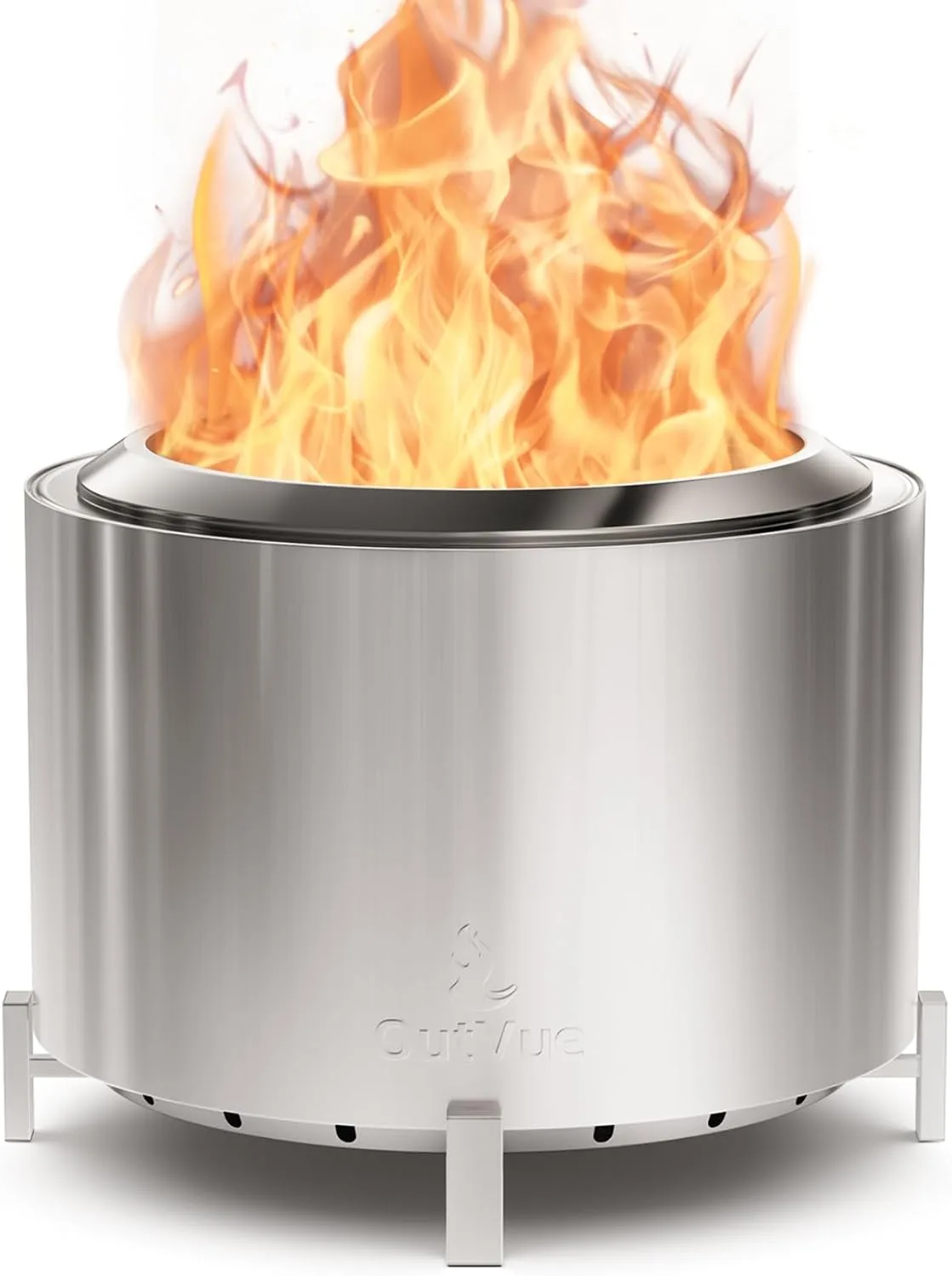
Weight47.5 lbFuelWood (or pellets)MaterialStainless steel
The OutVue is a large 27-inch stainless double-wall pit that ships with a grill grate and a fitted cover — a lot of pit and accessories for the money. It's the value pick if you want cooking capability and a big burn area on a budget.
Owner feedback here is thin. The one genuine owner review I found is mixed — the owner calls it a nice fire pit but, at three stars, warns it definitely isn't smokeless and to keep looking. Higher averages on some marketplaces may be inflated, so I'd treat the smokeless claim cautiously.
Pros
-
Large 27" burn area; grill grate + cover included
-
Strong value for the size and accessories
Cons
-
Only one genuine owner review found, and it questions the smokeless claim
-
Possible inflated averages on some marketplaces
Who it's for: budget buyers who want a big pit with a grill and won't be crushed if it's "low smoke" rather than truly smokeless.
Sources pulled from (1)
Ciays Smokeless Firepit 19 Inch
It's a well-specced budget portable and a reasonable bet if you're comfortable buying a newer brand on its specs.
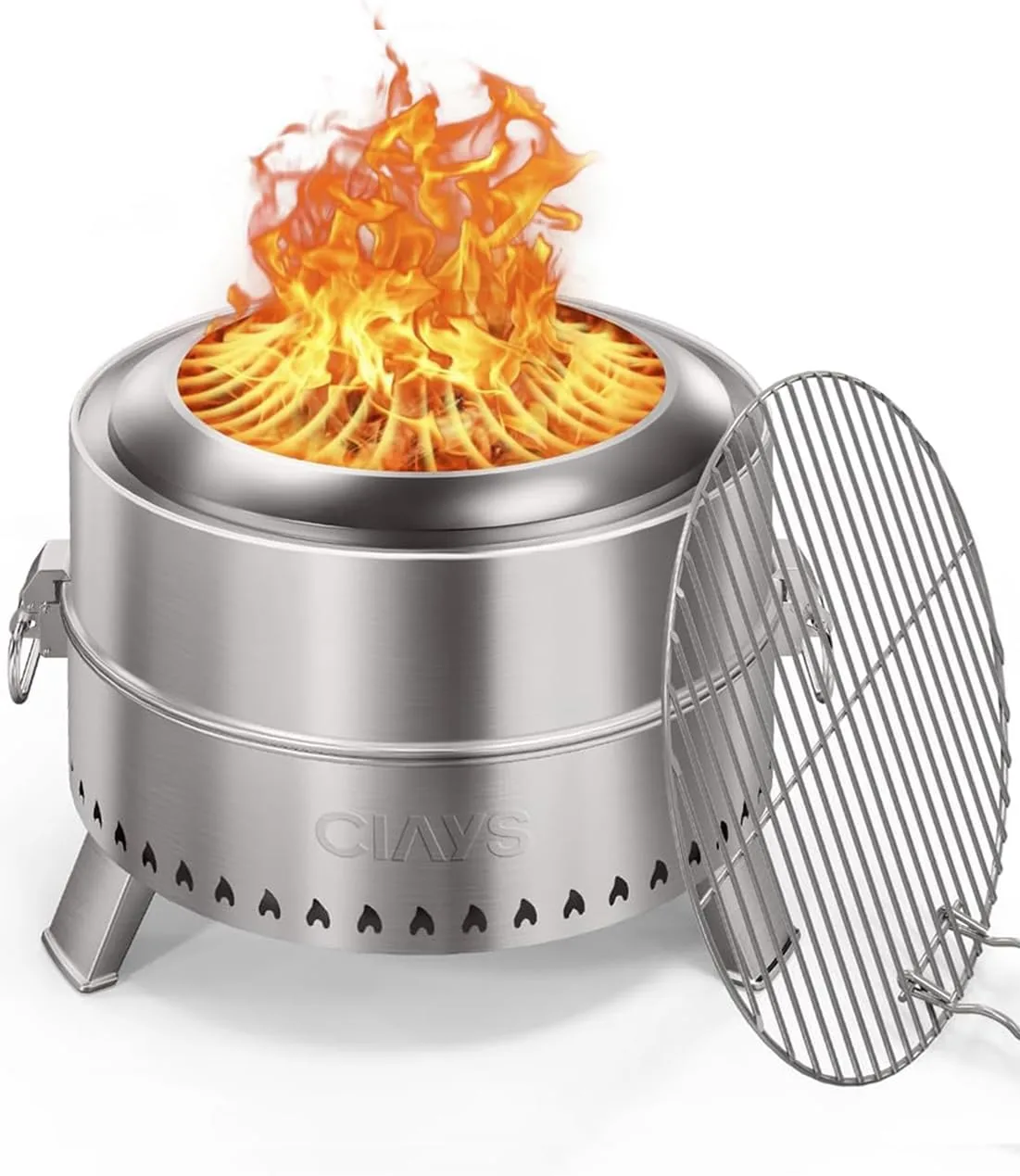
This one's newer, so I'm going on the spec sheet and design rather than an owner track record. On paper it's a sensible budget portable: a 19-inch stainless pit with patented double-wall construction that ships with a grill rack, poker, and carry bag — a complete starter kit for someone who wants a low-cost, packable smokeless pit and doesn't need brand pedigree.
Pros
-
Low price; complete kit (grill rack, poker, bag)
-
19" portable double-wall stainless
Cons
-
Newer brand, limited long-term feedback so far
-
Unproven long-term durability
Who it's for: budget buyers comfortable with a lesser-known brand and a spec-based bet.
HGD 20 Inch Smokeless Firepit
The fold-flat format is genuinely useful — a practical spec-based pick for anyone tight on storage.
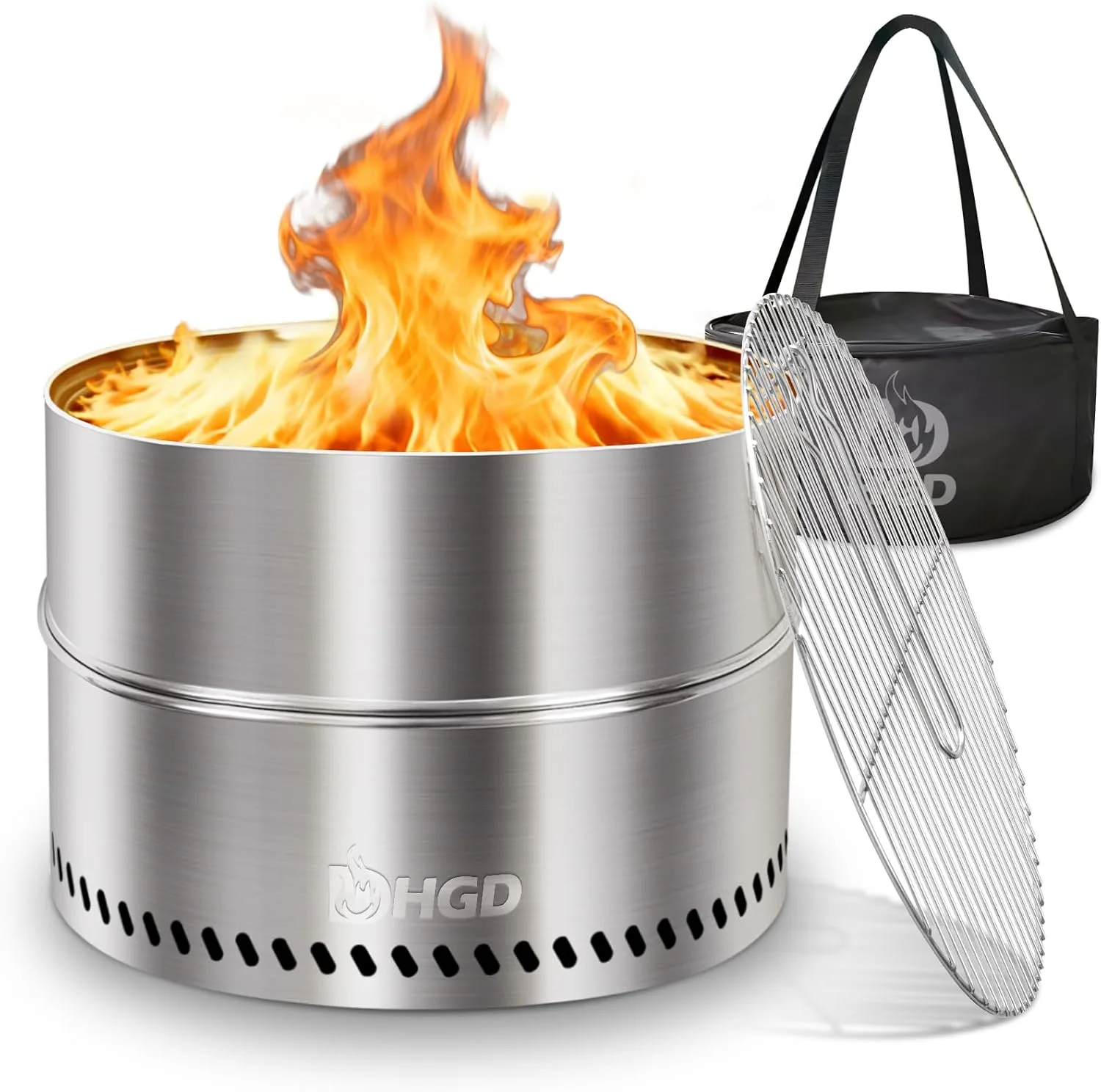
Like the Ciays, this is a spec-based pick — I'm judging it on its design. It's a 20-inch stainless double-wall pit that folds down, with a grill variant and a travel bag. The fold-flat design is the differentiator for anyone tight on storage.
Pros
-
Foldable for easy storage/transport
-
20" stainless double-wall; grill variant available
Cons
-
Newer brand with near-identical storefronts
-
Unproven durability and true smokeless performance
Who it's for: storage-constrained budget buyers who want a fold-flat pit and accept the unknowns.
INNO STAGE Stainless Fire Pit with Carrying Bag
It's the most packable option here on paper — a spec-based pick for campers who put packability first.
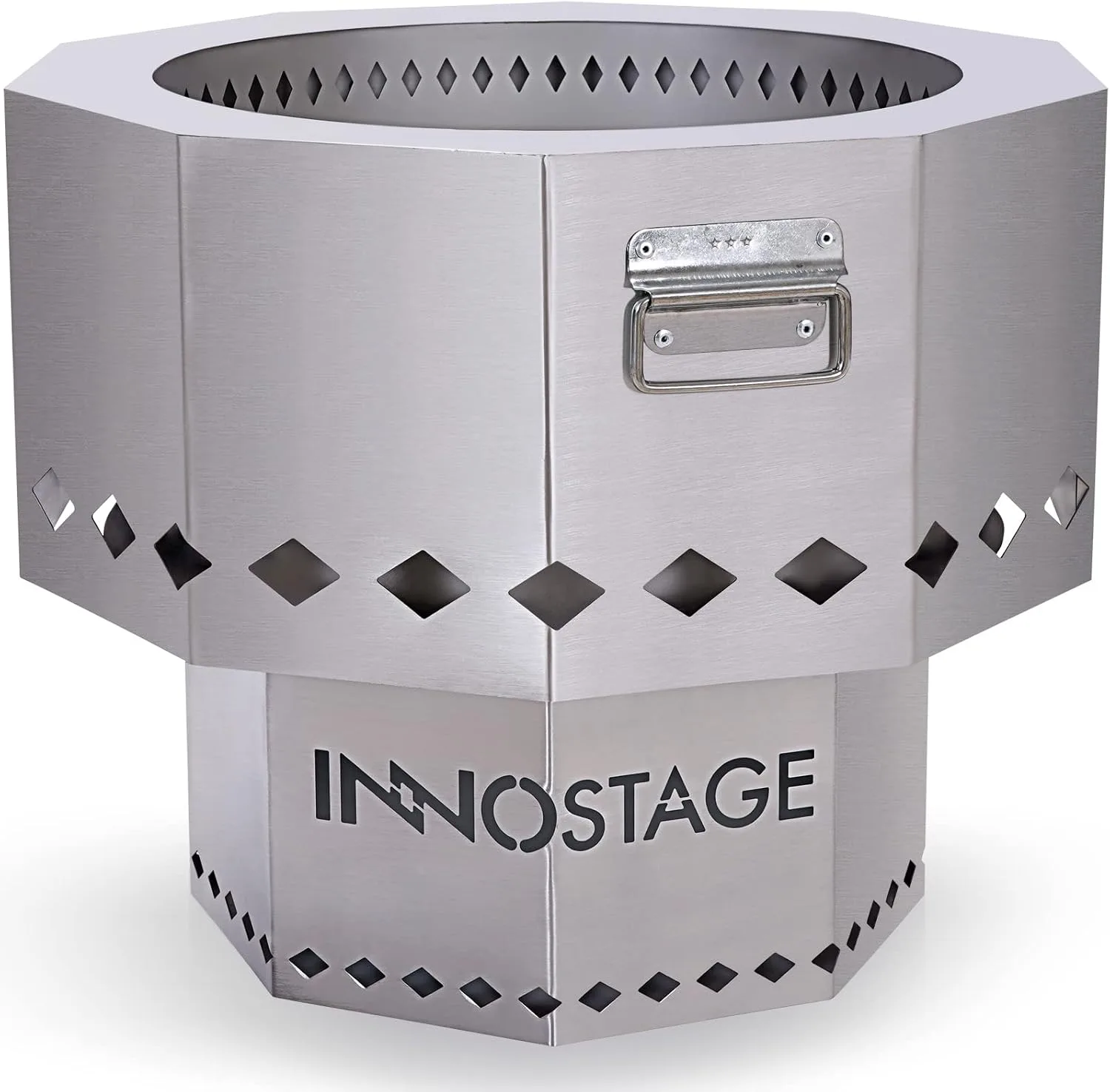
FuelWood, wood pelletsMaterial304 stainless steel
Another spec-based pick — I'm going on design here rather than owner reports. For camping, the spec sheet is the appeal: a patented stainless smokeless bowl that collapses into a carry bag, offered in small and medium sizes plus a BBQ-grill variant. If ultralight packability is the priority, it's built for that use.
Pros
-
Collapsible + carry bag; genuinely camp-portable
-
Stainless smokeless bowl; size and grill variants
Cons
-
Newer brand with crowded look-alike listings
-
Unproven real-world durability
Who it's for: campers who prioritize packability and accept a spec-based purchase.
Buying guide: what to look for in a stainless steel fire pit
Steel grade matters more than the "stainless" label. The pits worth buying use 304 stainless steel, which resists corrosion and heat discoloration far better than generic or 201 steel. If a listing just says "stainless" without a grade, treat that as a question, not a spec. And know the exceptions: some excellent pits (like the Breeo X24) use Corten weathering steel, which is not stainless and is meant to patina — a different look and a different maintenance story.
Double-wall vs. single-wall is the smokeless dividing line. This is the single biggest factor, and from years of running these pits I'll tell you it's night and day. Even with slightly damp wood, a double-wall pit keeps the smoke from rolling over the rim into your face. With a single-wall pit, you spend the whole fire dodging smoke. No smokeless pit is truly smoke-free (more on that in the FAQ), but double-wall airflow is the difference you'll actually feel.
Size to your space and your group, not to the biggest pit you can afford. A 27-inch pit like the Yukon throws more heat and seats more people, but it uses more wood and won't move. A 19–20 inch pit suits most backyards. For a deck or table, a tabletop pit is plenty.
Decide now if it needs to travel. Weight and pack-size are the difference between a backyard centerpiece and a camping pit. My rule of thumb: if you want one pit for both home and camping, go smaller and lighter — you'll be the one lugging it around and finding somewhere to store it. This matters more than it used to, because burn bans from drought are increasingly common when you're camping, so a portable pit you can only sometimes use still needs to be easy to haul and stash.
Fuel type affects both cost and heat. Wood-only pits are simplest. Dual-fuel and tri-fuel pits accept pellets, which are convenient but can get expensive and often throw less heat than wood. If you plan to cook, look for a sear ring or grill accessory and a stable cook surface.
Plan for heat throw. Several top pits (Solo Stove especially) run hot at the pit but throw modest warmth outward — which is why a whole heat-deflector accessory category exists. If radiant warmth to your chairs matters, budget for the deflector.
Buy from the brand or an authorized retailer. Counterfeits and gray-market units are a real problem on marketplaces (owners flag it for the Solo Stove Mesa in particular), and third-party fulfillment misses show up in reviews. Buying direct also protects your warranty.
Frequently asked questions
Are stainless steel fire pits any good?
Yes — 304 stainless is one of the best materials for a fire pit because it resists rust and heat discoloration, and in a double-wall design it delivers the low-smoke burn most buyers want. Owners of pits like the Solo Stove Yukon and Bonfire consistently report no meaningful rust even after years outside. The trade-offs are price and, on some models, modest heat throw.
Does a stainless steel fire pit rust?
Quality 304 stainless is highly rust-resistant, and owners report no meaningful rust on the leading stainless pits here. It can still discolor on the interior where logs sit (a cosmetic change owners note on the Bonfire and TIKI), and cheaper, lower-grade "stainless" is a bigger risk — one reason to confirm the grade before buying. Weathering-steel pits like the Breeo X24 are a separate case: they're meant to develop a patina, not stay bright.
Are smokeless fire pits actually smokeless?
Not entirely — "less smoke" is the honest description. Even the manufacturers' own guidance concedes that fires smoke at startup and low burn, and that dry wood, a small start, cleared ash, and not overloading are what keep smoke down. Double-wall pits dramatically reduce the smoke that reaches you once the secondary burn kicks in, but no pit here is truly smoke-free, and damp wood brings the smoke back.
Is 304 stainless steel good for a fire pit?
It's the grade to look for. 304 stainless handles high heat and outdoor exposure well, which is why the most durable pits in this guide use it. If a listing only says "stainless steel" without naming the grade, ask before assuming it's 304.
What's the difference between a stainless steel and a Corten (weathering) steel fire pit?
Stainless steel resists corrosion and keeps a brighter finish; Corten steel is designed to form a stable, rust-colored patina that protects the metal underneath. Neither is "better" universally — Corten pits like the Breeo X24 are prized for cooking and durability but won't keep a clean stainless look. Choose based on the finish you want and whether cooking is a priority.
What size stainless steel fire pit do I need?
For most backyards, a 19–20 inch pit (like the Bonfire) is the sweet spot. Go up to 27 inches (the Yukon) only if you have the space and regularly host larger groups — it throws more heat but burns more wood and isn't portable. For decks, tables, or travel, choose a tabletop or lightweight portable pit instead.

Outdoor Living Writer
Philip HillPhilip has spent more than 10 years outdoors and knows the industry from the brand side: he was CMO of Rugged Road (coolers) and Outryd (off-road) and has worked with brands from fire pits and grills to camping, hunting and fishing. He lives near the bay in St. Petersburg, where he boats, paddleboards and kayaks year-round. He skis Colorado, Utah and Montana, car camps and backpacks (often on horseback), and grills and smokes meat.
St. Petersburg, FL
Related Reading

Avalanche Safety Gear: What You Actually Need to Get in the Backcountry
The essential avalanche safety kit explained: transceivers, probes, shovels, airbags, and why gear is worthless without training.
Outpost Editors · May 30

Preseason Ski Deals Are Already Live — Start With the Safety Gear
Preseason ski deals worth your money: a touring ski, a modern avalanche transceiver, a stiff all-mountain boot, and a metal shovel — last season's stock at real markdowns.
Outpost Editors · Aug 2

Kayak vs. Paddleboard: Which Should You Buy First?
Torn between a kayak and a paddleboard? We break down stability, storage, cost, and use cases to help first-timers decide.
Outpost Editors · Jun 25